

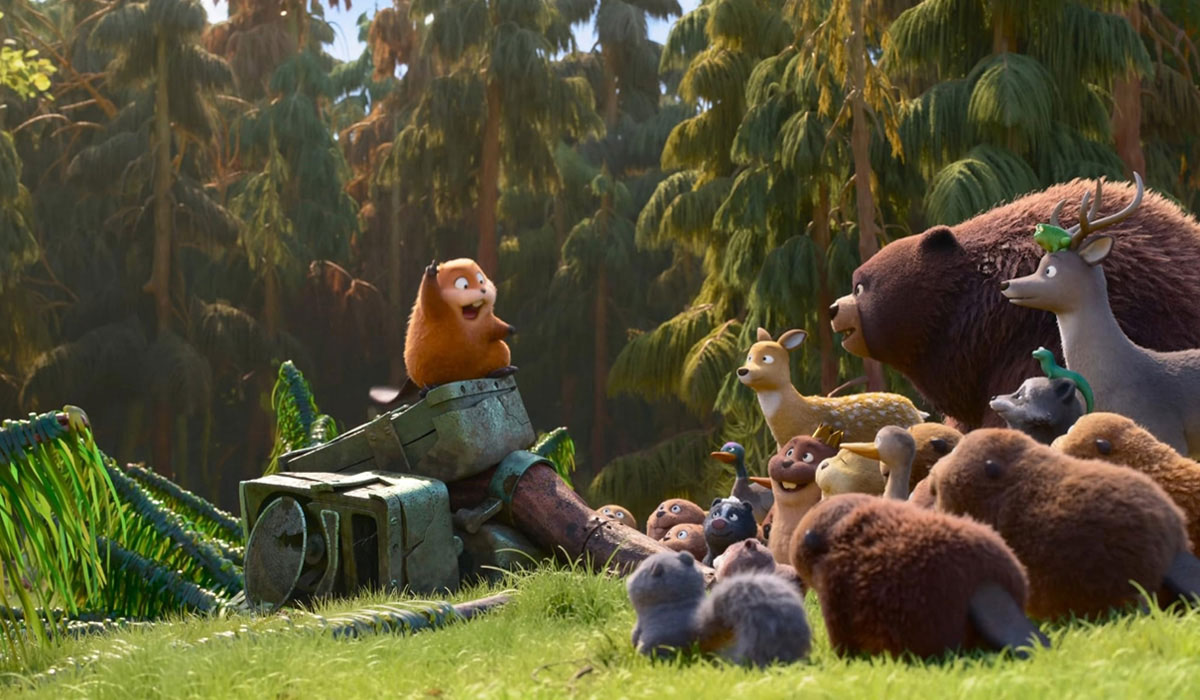
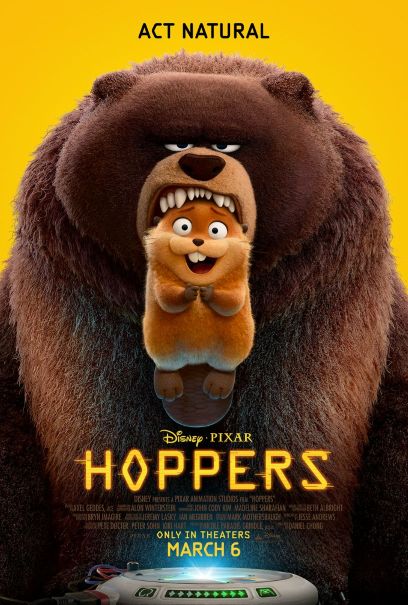
 Hoppers, the outrageously original action-packed comedy from Disney and Pixar Animation Studios, uncovers the beautiful and wild world that exists in our own backyard. Directed by Daniel Chong and produced by Nicole Paradis Grindle, the attention-grabbing feature uncovers secrets of the animal kingdom in an innovative yet distinctly Pixar way.
To get deeper into the film and its making, we were fortunate to talk with no less than Daniel and Nicole themselves.
Daniel joined Pixar Animation Studios in February 2009 as a story artist, and has worked on several short and feature productions including the TV special Toy Story Of TERROR! and the feature film Cars 2. He also worked on the Academy Award®-winning film Inside Out. Prior to joining Pixar, Chong worked as a story artist for Disney Feature Animation, Blue Sky, Nickelodeon, and Illumination. Most recently, he was the creator of the Emmy®-nominated TV series We Bare Bears for Cartoon Network, which ran for four seasons.
As for Nicole, she joined Pixar Animation Studios in 1995 as producer of the Toy Story Activity Center interactive computer game. Since then, she has inhabited various production management and producer roles on many of Pixar’s feature films, including A Bug’s Life, Monsters, Inc., Monsters University and Academy Award®-winning films The Incredibles, Ratatouille and Toy Story 3. She also produced the feature film Incredibles 2, which grossed over $1.2 billion at the global box office.
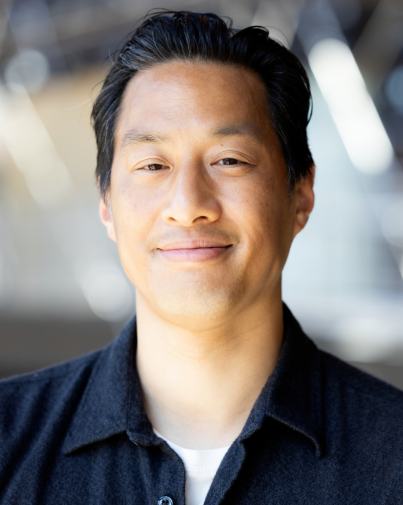
Animated Views: Daniel, you got back to Pixar after working on We Bare Bears. What led you to that return?
Daniel Chong: It was an opportunity. I mean, after Bears finished, it was moving into a spin-off and I kinda knew I didn’t really want to run that show; and also, I knew that the people who were working under me were ready to take over the show. So, it was a great opportunity for me to move on, but also let the show continue on, so that everyone could keep their job. After working in TV, I was pretty certain I wanted to go into features, because just working in TV you’re just scrounging around for every scrap you could find moneywise. So, I didn’t want to hustle in that way and I wanted to work with something that had a little more budget. Also, I wanted to make something for the theater. I love movies. I love the experience of going to the movie theater and I wanted to make something that feels like you could really enjoy the movie theater experience.
I worked at Pixar before Cartoon Network and I worked on Inside Out, so I knew Pete Docter. I reached out to him and just asked him for advice on things, and he took the opportunity to offer me a job to return back to Pixar to develop. That’s kinda how it happened. That opportunity was just perfect for me. I got to return to a place I knew already. So, I had to go there and pitch three ideas – that’s how they do it at Pixar. And the fun thing about that is that Nicole was here the whole time. She was working in development when I started. So, even from the day one, Nicole was with me seeing the whole thing and helping to support that idea, and then we ended up to work together on Hoppers.
AV: How did you get to that incredible story?
DC: I’ve always wanted to tell an environmental story, something with animals or at least something in that vein. But the real idea just came from these funny documentaries where they put robot animals in nature. Somehow it got so good that you could blend in and actually be an animal. I was like, it felt like Avatar , but obviously I didn’t want to copy that. So, we ended making like a spy/thriller genre that was the place for different kinds of movies. And that’s how we came to that story.
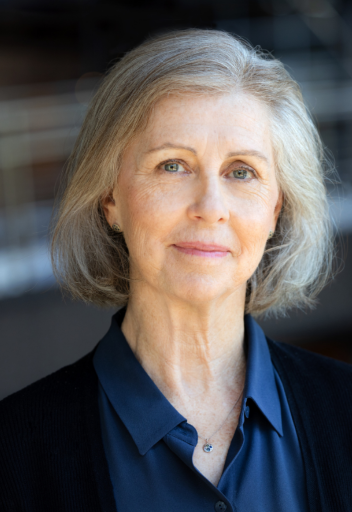
AV: Nicole, you’re a long-time Pixar producer. What led you to become the producer of that project in particular?
Nicole Grindle: I loved the idea that Daniel wanted to tell an environmental story. It felt like now was the time to tell that kind of story. I also like that Daniel’s sensibility is funny and silly, and how hard the work was, working on that film made me laugh for, as it turned out, six years. And I was excited to work with the new talent at Pixar. It felt like the new generation. I’ve been there since the end of Toy Story. I didn’t work on Toy Story itself but I came on to produce a CD-ROM game based on Toy Story in 1995. Then I worked with a lot of the studio’s filmmakers along the way, and it was exciting to work with somebody who had new sensibility and who, I imagined, would be taking the company forward, beyond my time here.
AV: What’s fantastic about Pixar films, is that they work on multiple levels, and behind comedy you can always find a philosophy of some sort. In Hoppers, King George really embodies that approach. How did you create that character?
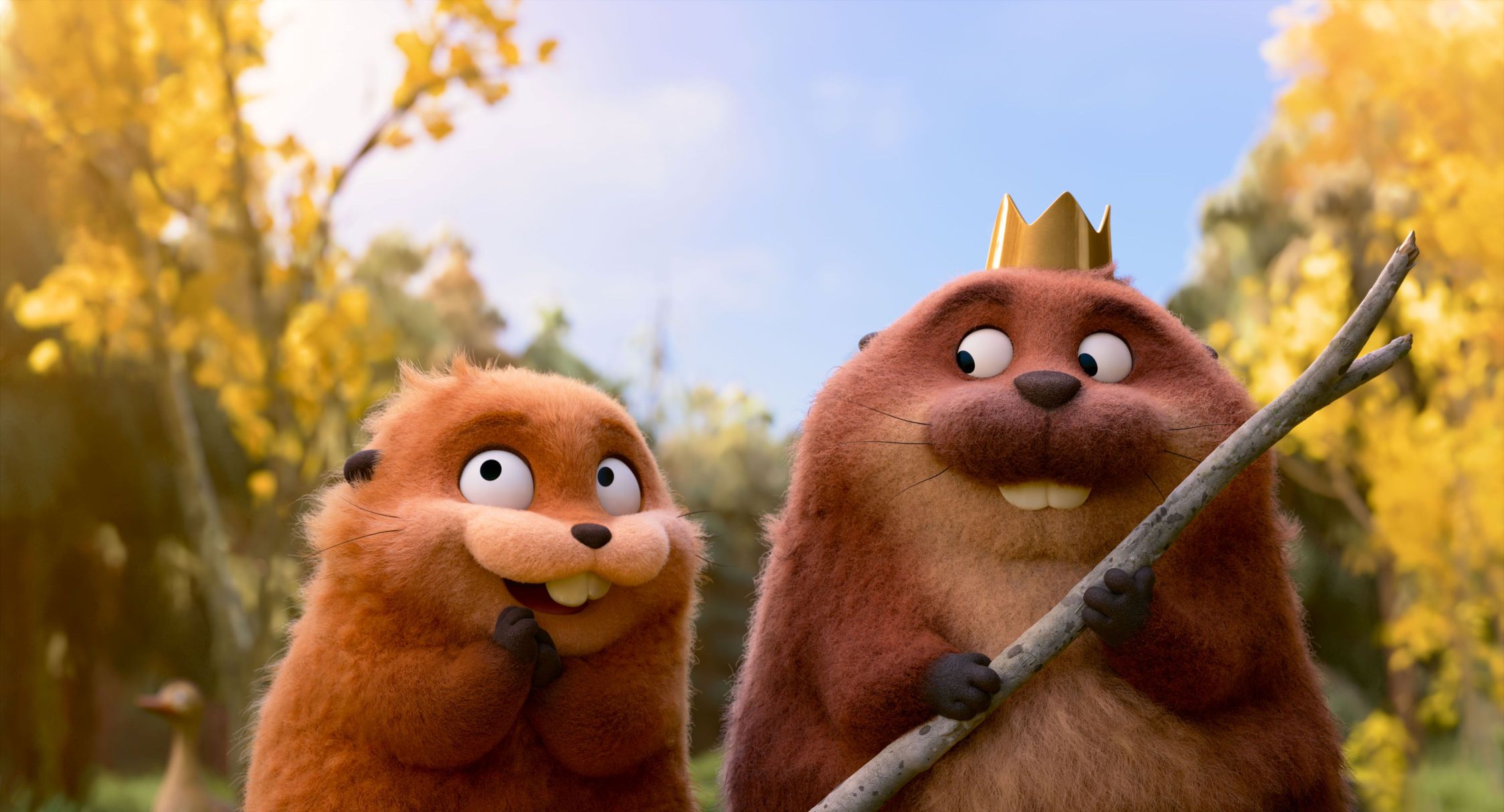
DC: Maybe, the secret behind all that is that King George is modeled after me in a lot of ways. I relate to his optimism, I relate to his simplicity, I relate to him being a leader trying to deal with chaos. I understand his world view. He’s also the kind of character I like to write: very honest, very sweet, well-meaning. Not the smartest, you know. When I think of my TV show, all three bears are kinda like that in some degree. So, I identify a lot with him as a character. He is the central character because that optimism is what is being put into question most of the movie. That is what is being tested and what all the other characters in the movie are pushing against. Can we be optimistic? Can we be hopeful? Can we be naïve to some degree? I think what we learn at the end is that there is some balance between that, and that puts us into a place where we can work together. So, yes, I think he is a crucial character to the movie.
AV: Such a character who is good by nature is so refreshing in our times, when you mostly see characters that are much more cynical.
NG: I do agree. I think it’s very healing for us, in a world where there’s so much cynicism. I mean, we really have a crisis on the planet. Not everybody wants to recognize that, and it’s terrifying. So, there’s something about reverting back to this naïve, simple point of view as a starting place. Let’s just remember what nature brings, let’s remember that we’re a part of nature, let’s remember that if we connect in this very basic, natural way, we have perhaps the potential of healing all this in the world. It’s a place you start with, with children, but I think adults also are very much hungry for that simplicity – just a simple philosophy of ‘how do we get back to some core value that we can all connect on?’ The emotional core of the film is very much that.
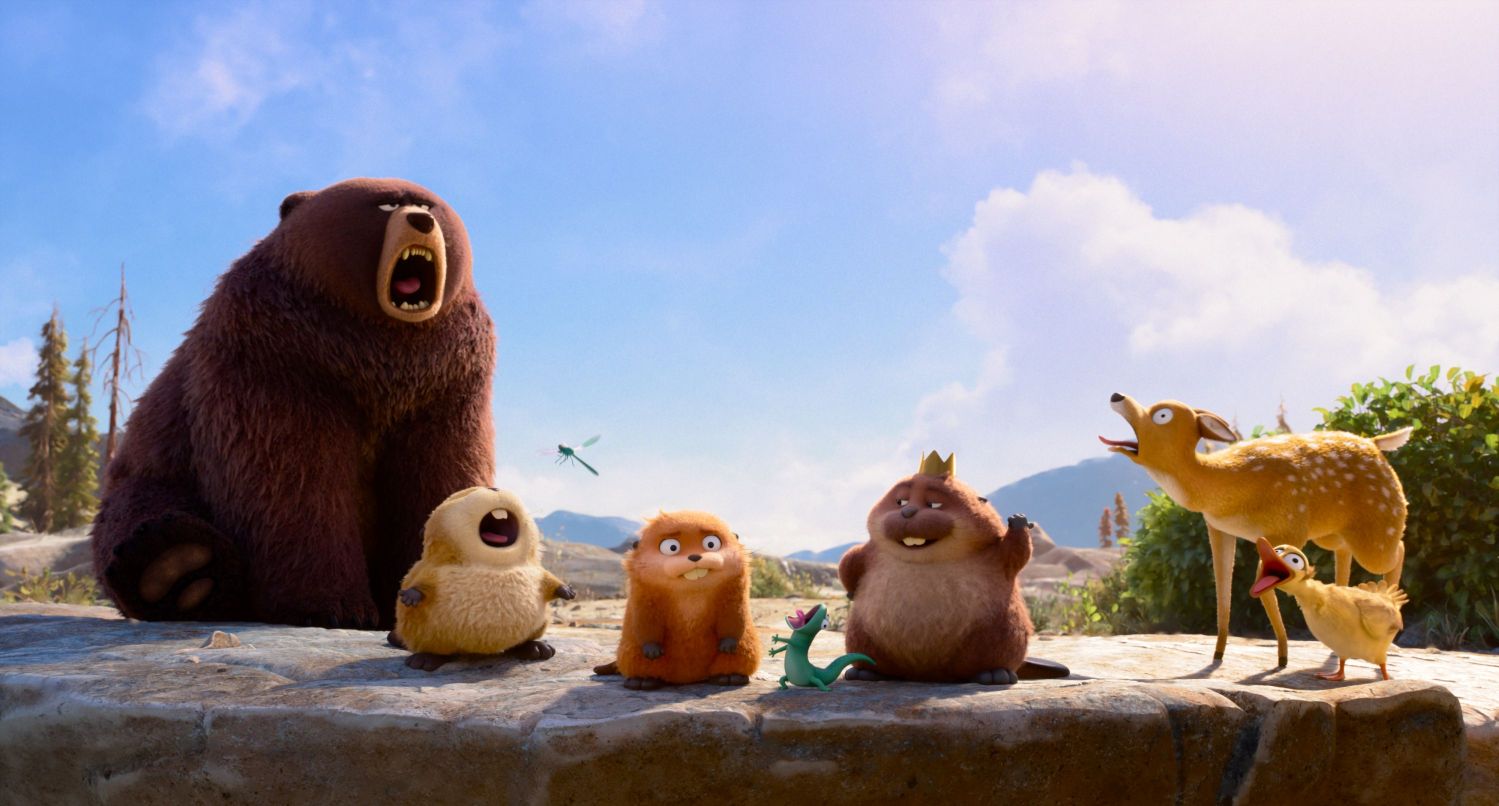
AV: Indeed, beyond the fact that it’s also a comedy, the overall feeling after watching Hoppers is just relief and hope, which is pretty rare and special.
DC: Thank you for saying that. That means a lot. You know, it’s funny because I feel like I haven’t seen a lot of comedies in the theater recently and have that experience getting to be in a movie and hearing a lot of people laugh together. We are so grateful that the audience is responding that way. But it does remind us that comedy is such a healing thing and it’s such a wonderful feeling when you can do it with other people in a room. You kinda feel very connected with everybody, like everyone gets the joke and everyone is on the same wavelength. There is something kinda lovely and poetic about that experience. That’s why we love movies and that’s why we’re grateful to be able to create those feelings in a theater.
NG: It’s interesting there are so many horror films out right now. That seems to be the genre that everyone’s making, and Hoppers is the counterpoint to that: let’s just give us some minutes to laugh and relax.
DC: There’s tons of horror elements in the movie, though!
NG: Yes, but that’s sweet horror! (laugh)
AV: At a time when computers can bring amazing photorealistic environments and characters, you chose to go to caricature, especially in your character design. How’s that?
DC: Love the question! Character design was the starting point for everything, because I had a much stronger sense of what I wanted and what my sensibility was in that matter. I loved character design growing up. That was kinda of my entry point, drawing characters. I think we have nailed, with some freelance designers and internal designers, character designers, what we wanted the characters to look like. From there, we had a pretty strong sense of what that was gonna be. So, that ended up informing everything. Once you have these cartoony characters, it tells you we clearly can’t have a photorealistic environment around them. So, we had to figure a way to stylize the backgrounds a certain way. Yet, we also wanted to make sure that when people see the nature shots, they believe in them and they feel it, and they also go, “oh, that’s like right outside my door.” I wanted the audience to see that. So, we wanted to make sure it was grounded yet also fit the style of the characters. And that was the work of our design team, to stylize and find ways to find that balance.
I wanted detail, but we had to kinda manage, because the cartoony designs are pretty simplified. So, what is the level of detail that this movie could manage? That was a big question for us. So, one of the things our production designer Bryn Imagire did was, she found like different ways to texture rocks for instance in a way that is not exactly the natural texture, but it feels like it. She found different kind of ways to portray the feel of it, the tactility of it.
NG: The same for the beavers. It’s not an animal fur, but something that feels like it. It’s not the texture that’s on an actual animal, and yet you believe in that universe.
DC: And that is kind of the way that we toggled that line. It feels detailed and textured but it’s not quite the same. One of the big challenges for this movie is that it couldn’t be exactly ‘one for one’ like our world. That was the trick.
NG: That was very challenging because an organic environment has so many elements and it’s a CG environment, so it’s three dimensional and there’s depth. So, we had to develop some tools. We had a paint brush tool that we used to smear the backgrounds. Each lighting artist had this tool so, for each shot, they were able to do a custom kind of paint to make the background feel a little bit softer so that we could better separate the characters from the background.
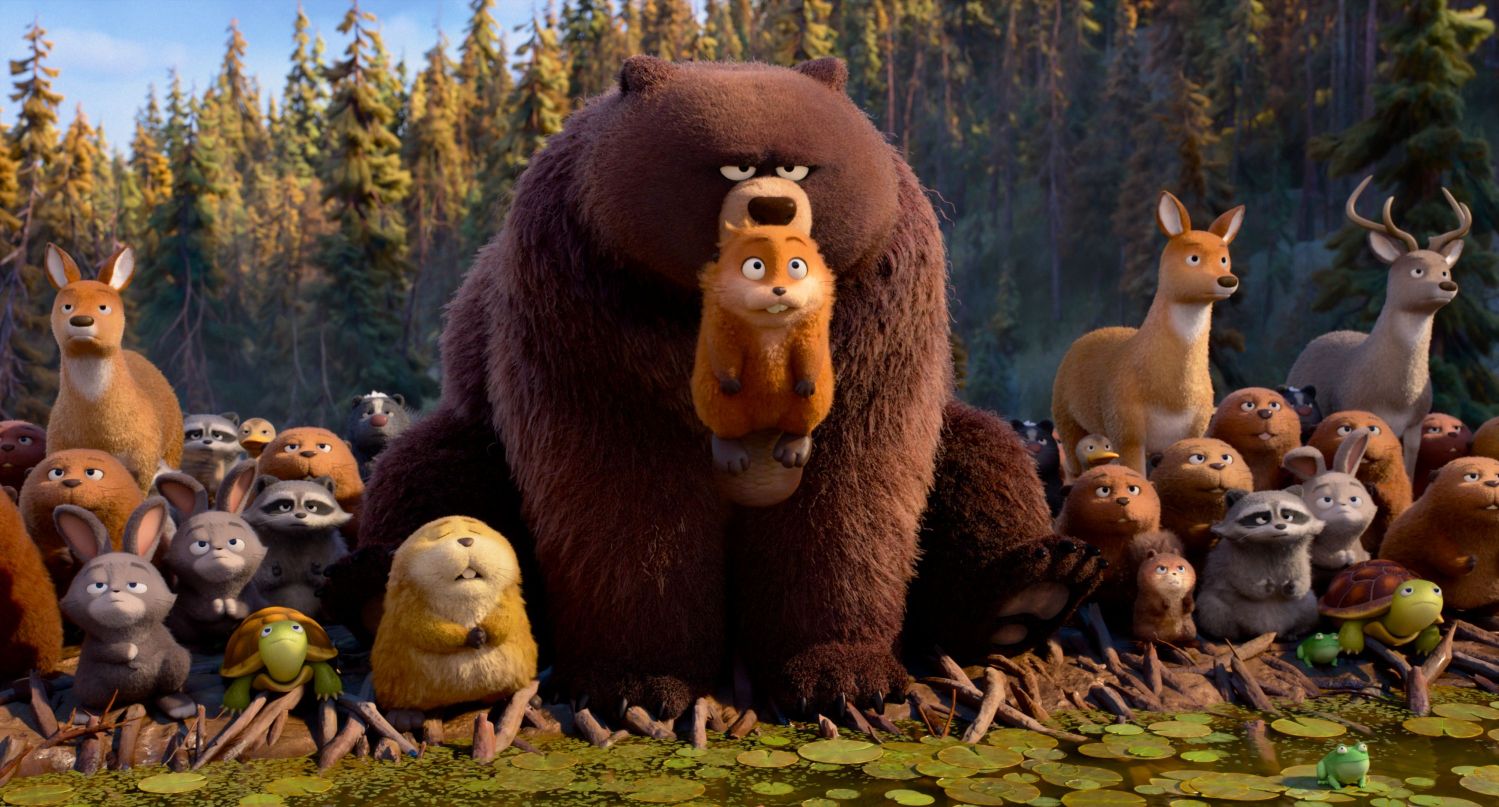
AV: When you see a car chased by a flying shark, you know this is true animation, making plausible the impossible, like Walt Disney used to say.
NG: That’s very kind, thank you! I’ve always thought, what’s the point of making a film in animation that could just as easily be done in live action? It’s a question that is posed some times in the development process here. Why are we making this in animation? And very quickly, there are good arguments for our films to be animated!
DC: For me, the trick is balancing with you believing that it could be real. You know, I come from TV animation and the things that they do are otherworldly. So, I’ve seen surrealness to the nth degree. But, to me, the challenge is always: how do you make that feel believable so it feels grounded and you feel the stakes and you feel like, “Oh, that could happen?” Like, I believe the physics of that or the stakes of, like, someone could die. In animation, the tricky thing is you could do anything but can you make the audience invest in it and emotionally believe it and feel like they’re transported in that space as opposed to just see surrealness happening left and right? So, the balance that we had to find was how to make people believe that this shark could fly. That that beaver is actually wearing a crown. How do you ground it so that everyone buys in and emotionally care? I believe that, to me, is the trick.
AV: Because of that original design, animation itself is different in Hoppers.
DC: Even having done an animated TV show, it was my first time really directing animation. I never really got to direct it before. We just kinda do animated storyboards pretty much. It was very low budget. So, I never really got to give notes on the animation or plussing. It never got better. So, coming into animation, it was a big learning experience. Luckily, Pixar people perfectly know how to animate! I had a really good animation supervisor named Alon Winterstein. He basically brought down for me all the Pixar movies with different styles of animation and you realise there’s such different nuances between Toy Story, Ratatouille, Monsters Inc., Inside Out, Turning Red… it’s a such a spectrum. Maybe the general public doesn’t quite know how to articulate the difference but when you see it, you’re like, there are very different choices that can exist on every movie. And then he brought down other movies from different studios, too. So, I could just see how Aardman handles it, and other studios handle it.
So, we basically started just picking shoes, like, “Okay, I like the choices here, there, Ratatouille, I love what they did here…” We just used that as a starting out point and then we would just do a little bit of testing with a small group of people. We would calibrate. We were, like, “Okay, I can see you’re pushing a little too far here, pull back. And here, it’s a little too controlled, push more.” And then slowly, as you start working the scenes, you just start building a vocabulary of your “dos and don’ts.”
And by the time you’re cooking, hopefully, the whole crew gets it and they know exactly how to animate it. I will say the one thing that the animators did for me recently that I did not know is, when they all started on the show, they’d been to (watch) my TV show, and they told me that it was helpful. Maybe not for acting choices necessarily, because obviously they were very limited, but I think they could start seeing my taste, the things that I like, and the earnestness. Sometimes, there might have been a tendency to animate George a little too knowing, or a little too kind of cool, and I think I would always direct them towards innocence and sweetness. I think they learned a lot from watching the TV show. And I think a combination of all these things helped me stand on the right path.
NG: You know, we at Pixar had the luxury of – really, it was probably about a year – of having a very, very small team who were able to explore these characters with Daniel. Most of the animators were on other movies, but we have a small group of artists who have done that for a long time and that’s something I think other studios don’t have, to be fair. It’s expensive, you know, to have a group of people who are just doing this exploration, doing this deep-dive research project with Daniel, showing him these things, trying some things, pulling it back, etc. and I think that’s really the secret to our success. We have that opportunity to be thoughtful, to sit back to make some changes. That was on a very compressed schedule. I think it was January to June this past year. And then the big crew came on and they had a template. Almost all the characters, I think. Maybe the Animal Council was the last one. We had an animator who spent time with it and developed the look of it and then could show that to the other animators who were getting those shots. That’s what really makes it special.
AV: How did you come to work with composer Mark Mothersbaugh, who wrote the beautiful score of the film?
DC: Nicole actually has worked with him before.
NG: He did some Cars shorts, but I don’t think that we actually released them. I got to work with him for a very short time. I love him so much.
DC: Indeed, Nicole and our editor, Axel Geddes, had kind of crossed paths with him before and they were all, like, he’s the nicest guy. And sure enough, he was certainly the nicest guy to work with. He was suggested to us by the studio and by Disney also. They were excited to get to work with him. They had tried to get him before and I think they felt like it was the right time.
A lot of it was that I love Wes Anderson, his early movies. I listen to these early soundtracks non-stop. Mark understands the charm, the sweetness, the earnestness and that it was a big component in our movie, and to be honest there’s not a lot of composers who can handle that aspect of it. They can definitely do action and other genres, but sweetness is a very specific thing and Mark has that spirit. So, I felt really good about having him on board. And I also knew he could do action stuff. Mark has done tons of that.
The thing we were not sure of how it would play was the emotional stuff. So, we had Mark do that stuff first. A lot of that was the Mabel theme, the Grandma theme, and stuff like that. To be honest, Mark knocked that out pretty quick. The first couple of passes were lovely, beautiful. He basically found this melody very early on and he started to spread it through the whole movie. If you listen carefully to the action scenes or the emotional scenes, there’s this melody that’s the same. It plays a little differently, but the same notes are there. It’s really cool.
I think the trickiest thing for me, about which I talked to Mark about a lot, was that the movie is chaotic in a way. It goes through a lot of different genres and tones. So, it was supposed to have action music, emotional music, horror music, absurd music, sweet music, and Mark was down for all of it. I knew he had most of that stuff in his bag already. He was lovely. I’m a first-time director at Pixar, so I needed someone to be patient with me, to want to work with me, be open to notes, be open to me making mistakes. Mark was kind of like a mentor figure in a lot of ways. He was very patient, very open, never complaining, just very giving and very generous to us.
NG: I would say, Mark Mothersbaugh’s deep dark secret is that on the surface, he appears to be like this strange guy and underneath it, he is like a sweet, kind, sensitive person, who was so invested in the themes of the movie. He kept talking about that. He felt the message of our film was very close to the spirit of the group he founded in the 70s, Devo, about man becoming separate from nature in the world. So, he immediately connected with the movie. It was really a pleasure working with him.
AV: The paradox of Hoppers is about using state-of-the-art technology to get even more natural. As for the music, it has very symphonic, organic elements, and at the same time, electronic elements in a very successful blending of both.
DC: We all knew Mark was at the ground floor of synth. He really was one of the first people who integrated that into Pop music. He definitely used a lot of it in his scores early on. So, it was very easy to tell him we’re gonna lean into some synth when we represent the technological part of this movie. But ultimately, we did know at the same time that it was going to balance with the natural, more orchestral traditional stuff.
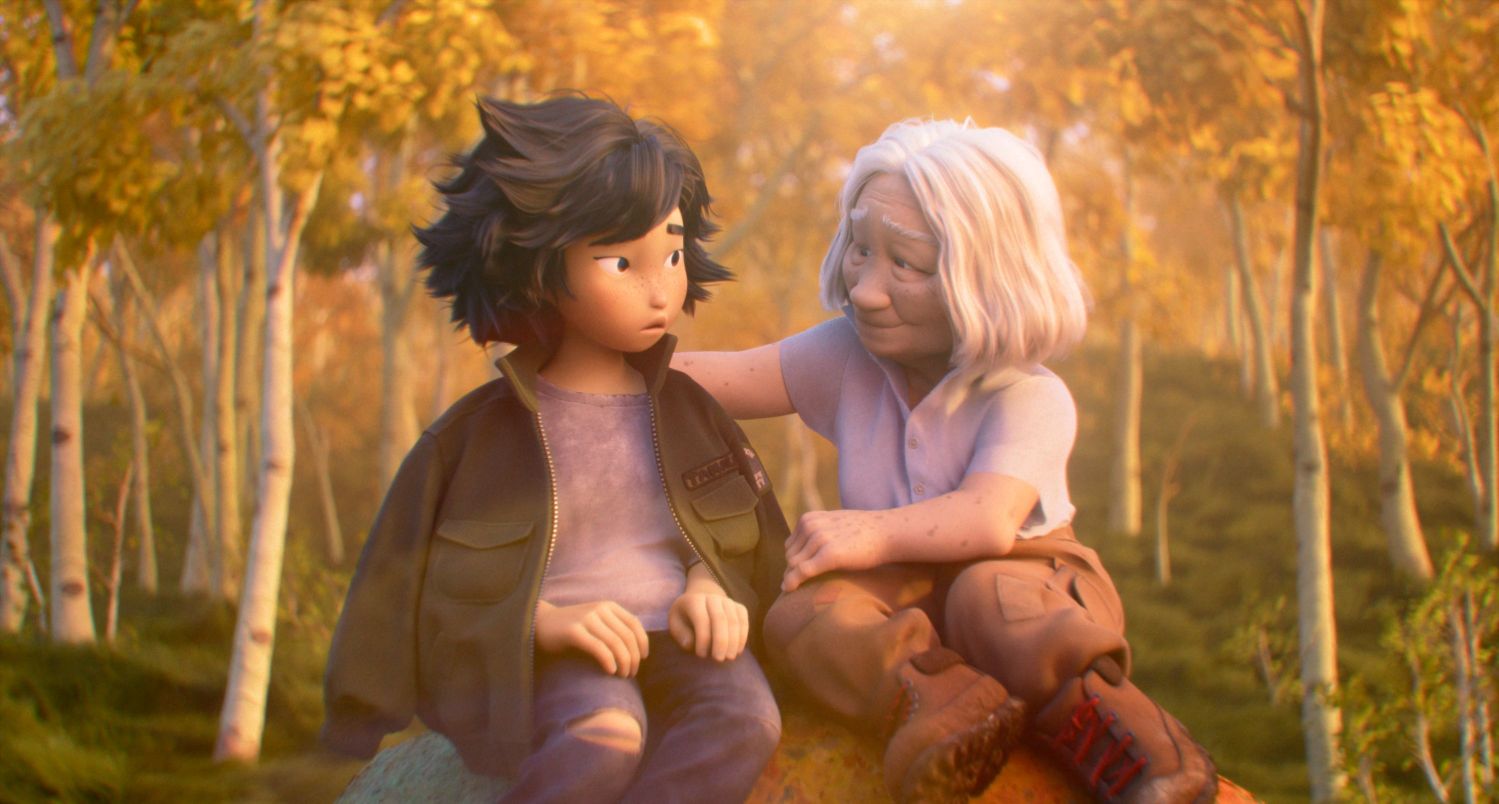
AV: Using technology to better talk about humanity is what defines Pixar.
NG: Daniel raised the idea that Toy Story was a success and continues to be a great movie to watch because of the story talent, first and foremost. If you look at the CG, it might feel a little bit primitive, but the story still holds up, and that’s always been our number one philosophy, that storytelling. Sometimes, people would say, “Oh, you know, the technology gets easier and easier, so making your movies must be easier.” Actually, it’s not easier because telling a good story is such hard work. We worked hard for six years to get this story where it is. So, I would say, no technology would make that easier.
DC: I mean, it’s crazy because Pixar is just celebrating it’s 40th. It does remind us that Pixar was on the ground floor of CG animation, of that technology becoming what it is today, taking over as the predominant animated form. But, like Nicole said, the thing that people bring out when people think of Pixar is, they’re not thinking about technology. They’re thinking about the story, about the emotions and the characters that were brought to life. Pixar is one of those interesting companies because that have always had this hybrid. It was always part technology company, part creative storytelling. It’s a beautiful blending of the two. No matter what, it just takes a lot of humanity and people to bring these things to life. The computers won’t do it on their own. We don’t know where the future is guiding us, but we know that it will still require people to make these things because that’s what makes them connect with people.
That’s what gives them a soul…
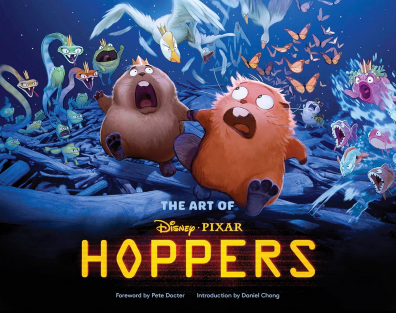
The Art Of Hoppers is available to order from Amazon.com!

With our deepest thanks to Daniel and Nicole, and Chris Wiggum and Krissy Bailey at Pixar.